
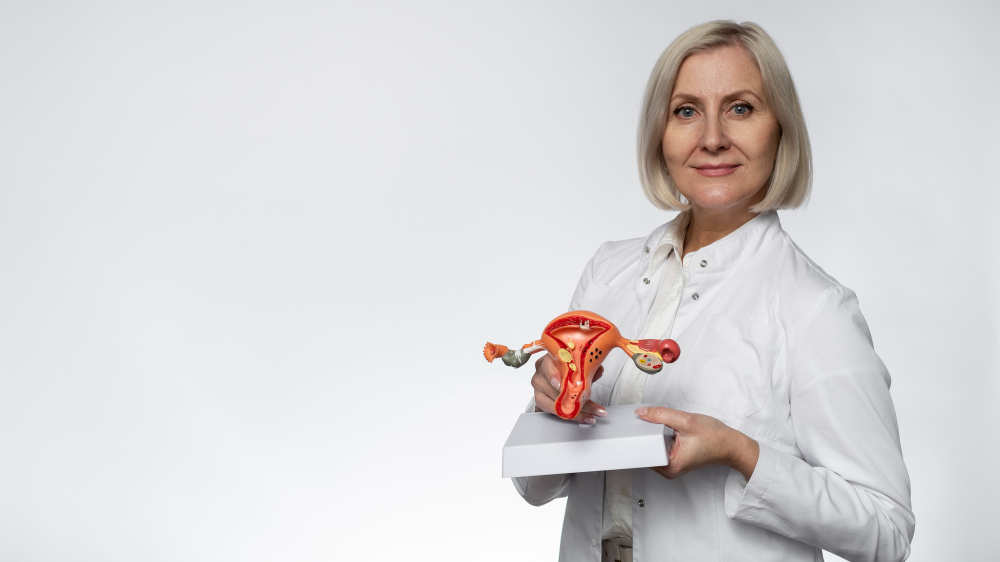
What is Endometriosis?
Endometriosis is a health condition where tissue, similar to the lining inside the uterus, grows outside it. This tissue can cause pain, swelling, and other problems. Often, endometriosis affects the ovaries, fallopian tubes, and the area around the uterus. Because it can lead to discomfort and fertility issues, it is important to understand this condition. According to the World Health Organization, endometriosis affects about 10% of women of reproductive age worldwide.
Common Symptoms
Many people with endometriosis experience symptoms, but they can vary. Sometimes, symptoms are mild. Other times, they are severe. Common endometriosis symptoms include:
However, some people may not have any symptoms at all.
Causes and Risk Factors
The exact cause of endometriosis is still unknown. However, several factors may increase the risk. For example, genetics can play a role. If your mother or sister has endometriosis, you may be more likely to have it too. Other risk factors include:
Although these factors can raise your risk, anyone with periods can develop endometriosis.
How Endometriosis is Diagnosed
Doctors use several steps to find out if you have endometriosis. First, they ask about your symptoms and medical history. Next, they may do a pelvic exam to check for lumps or scars. However, small areas of endometriosis are hard to feel. Because of this, doctors often use imaging tests, such as:
Sometimes, a minor surgery called laparoscopy is needed. During this procedure, a doctor looks inside your abdomen with a small camera. This is the most accurate way to confirm endometriosis. If you are wondering how is endometriosis diagnosed, these are the main steps.
Treatment Options
There are several endometriosis treatment options. The right choice depends on your symptoms, age, and plans for pregnancy. Common treatments include:
In some cases, doctors suggest a combination of treatments. For severe cases, surgery may be needed. However, treatment does not always cure endometriosis, but it can help manage symptoms.
Lifestyle Tips and Self-Care
Although medical treatment is important, self-care can also help. Here are some tips to manage endometriosis symptoms:
With these steps, you may feel more in control of your health.
Prevention and Early Detection
Currently, there is no sure way to prevent endometriosis. However, early detection can help manage symptoms better. For example, paying attention to changes in your period or pain can help you spot problems early. If you notice new or worsening symptoms, talk to your doctor soon. Early treatment may prevent complications, such as fertility problems.
When to See a Doctor
If you have severe period pain, heavy bleeding, or trouble getting pregnant, it is time to see a doctor. Also, if pain affects your daily life, do not wait. Early help can make a big difference. Remember, only a healthcare provider can diagnose and treat endometriosis correctly.
If you think you may have endometriosis, consult a gynecologist for personalized advice on endometriosis.